
Industry insightPublished: · By MorZan
VFD Panel Cooling: Derating Rules and Ventilation Design
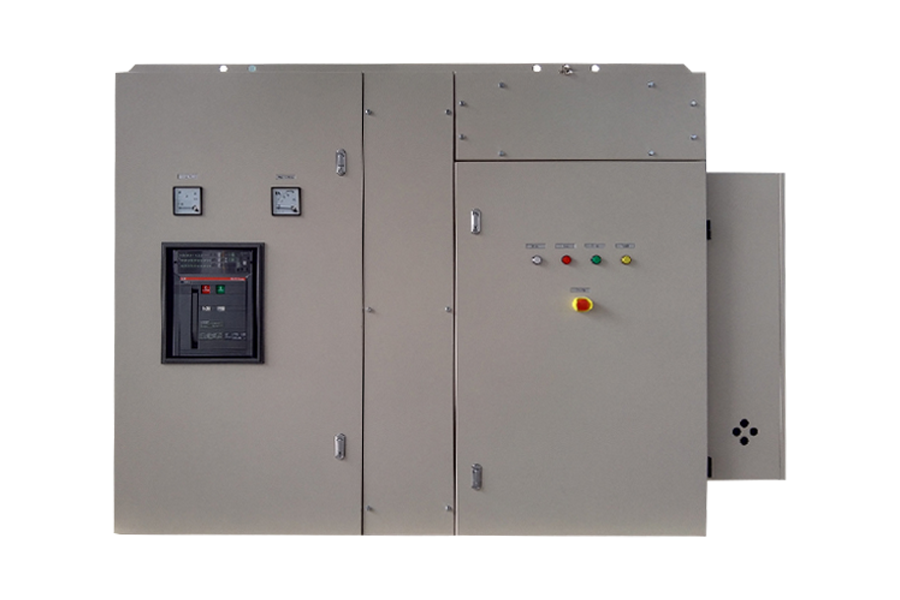
The nameplate current of an industrial variable frequency drive (VFD) is quoted at a reference ambient, typically 40 degrees Celsius, and often at a maximum switching frequency. Read the derating table, not the marketing line: most drives lose between 2 and 3% of continuous current per additional 5 degrees, and some lose considerably more above 50 degrees. A drive specified at exactly its nameplate rating in a room that reaches 48 degrees in August is an overheating fault waiting for the hottest week of the year.
Altitude matters for a different reason. Air thins with height, so it carries less heat away and provides less insulation clearance. Common practice is to derate above 1,000 metres, with typical figures around 1% of rated current per additional 100 metres, and to reduce the maximum permissible supply voltage. At 2,000 metres, plan on roughly 10% current derating and check the drive's insulation coordination with the panel builder.
For ventilation, calculate the total losses inside the enclosure — drives, reactors, filters, breakers and fuses — not just the drive output. Required airflow is roughly three times the total loss in watts, in cubic metres per hour. Then decide how to move that air. Filtered forced ventilation is the cheapest option where the room is reasonably clean; an air-to-air heat exchanger suits dusty plants because the two airstreams never mix; a panel air conditioner or a liquid-cooled drive is the honest answer where the ambient is both hot and dirty. Whichever route you take, put the intake low and the exhaust high, and keep the drive heatsink directly in the exhaust path so hot air does not recirculate over the electronics.
VFD Applications
Every variable frequency drive (VFD) application is different, because every load behaves differently. These guides explain the drive features that matter for your industry and link to the recommended product range.
All industry guides