
News & Technical Notes
Company announcements and industry technical notes from Yolico: exhibitions and partner visits, product certifications, new releases, and guides on variable frequency drive (VFD) selection and fault diagnosis.
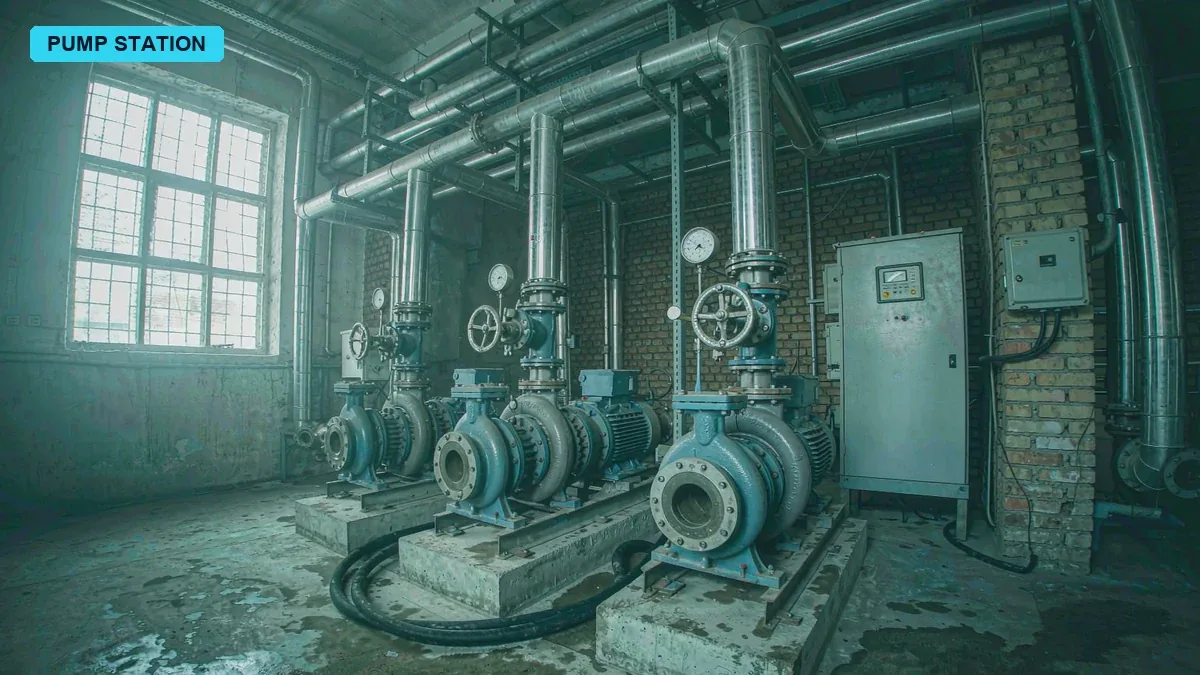 Industry insightPublished: VFD for a Water Pump Station, From an Italian Email to a Power BillA tile factory north of Sassuolo sent three photos and one question, why the pumps kept starting and stopping. What followed was a remote diagnosis, a saving figure I had to halve, a crate stuck in Genoa through August, and two power bills three months later.
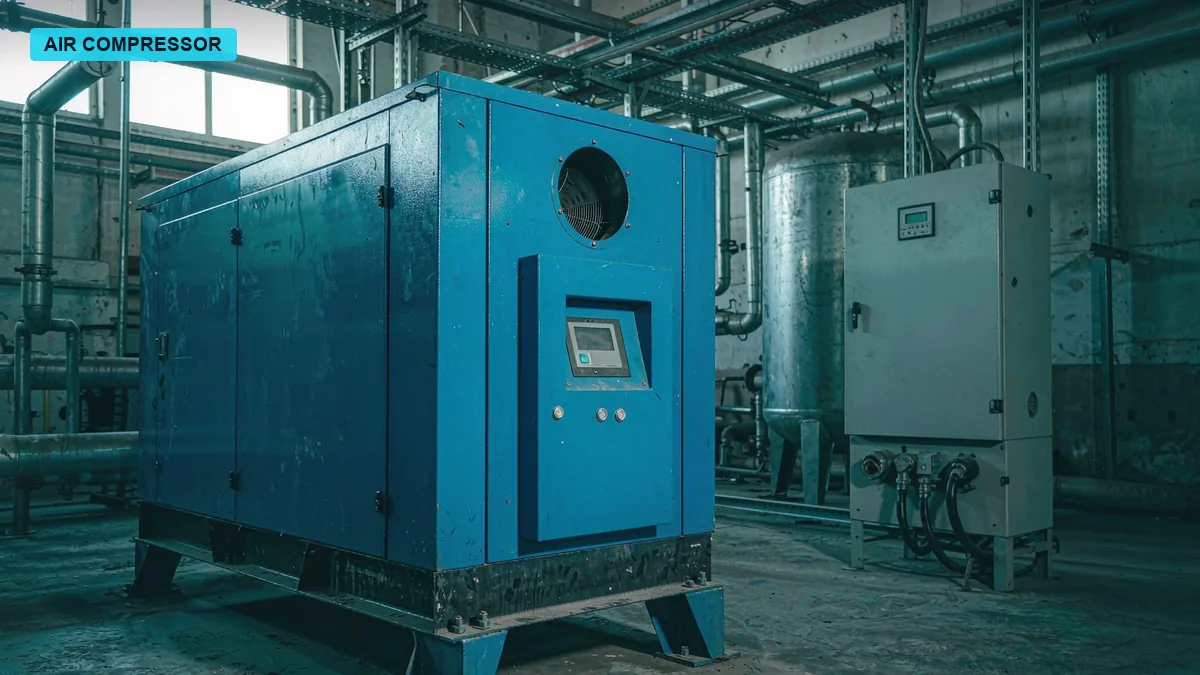 Industry insightPublished: VFD Screw Compressor Retrofit in an Injection Moulding Plant, From First Call to Meter ReadingA plant making injection moulded parts called about an 8,000 yuan jump in its power bill. The compressor was not broken. It ran loaded 45 percent of the time and idled the rest. This is that retrofit as it happened, the load factor check, the quote, the two and a half days of shutdown, and the 7,000 kWh I got wrong.
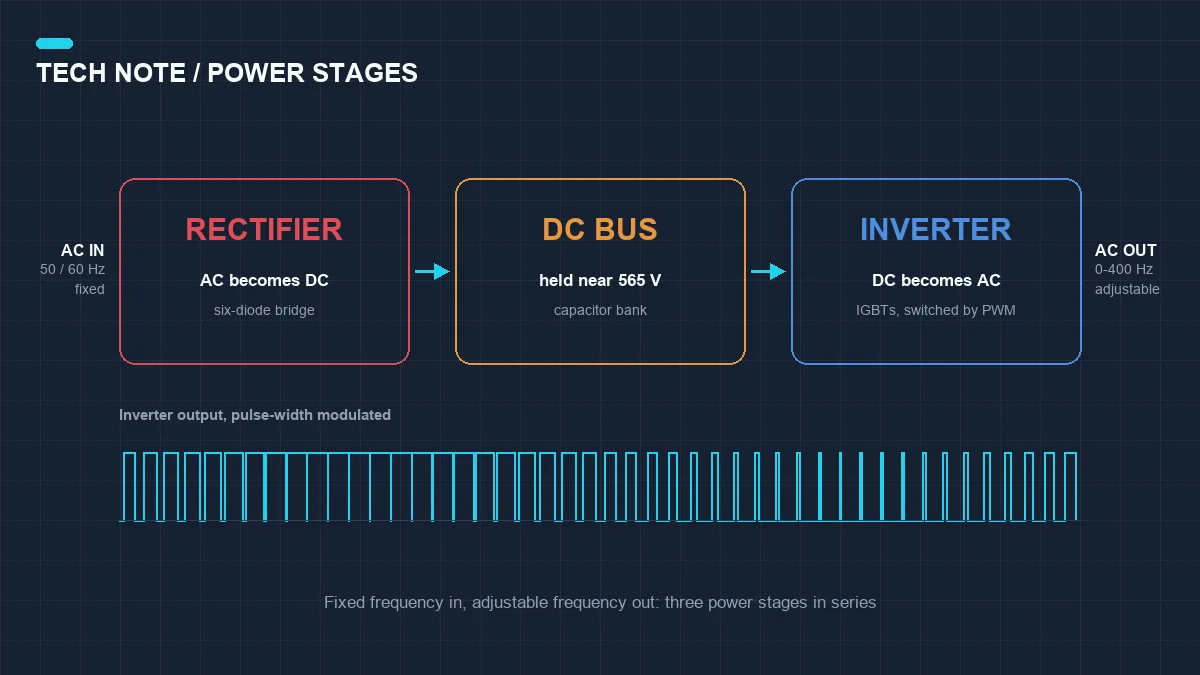 Industry insightPublished: How Does a VFD Work? Rectifier, DC Bus and IGBT Inverter ExplainedEvery VFD does the same job in three steps. Mains AC is rectified to DC, held steady on a DC bus, then switched back to AC at whatever frequency the motor needs. Here is how the three power stages work together.
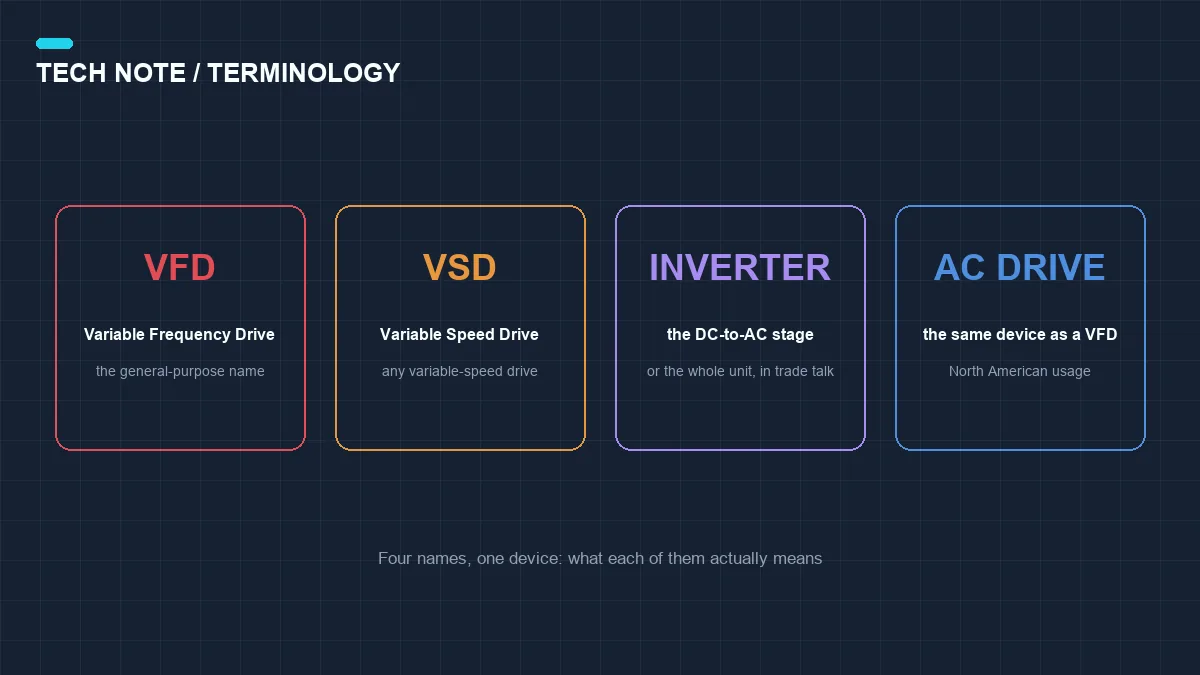 Industry insightPublished: What Does VFD Stand For? VFD vs VSD, Inverter and AC Drive ExplainedVFD stands for Variable Frequency Drive, but the same unit is also sold as a VSD, an inverter or an AC drive. Here is what each name really means, and which one to use when you specify or buy.
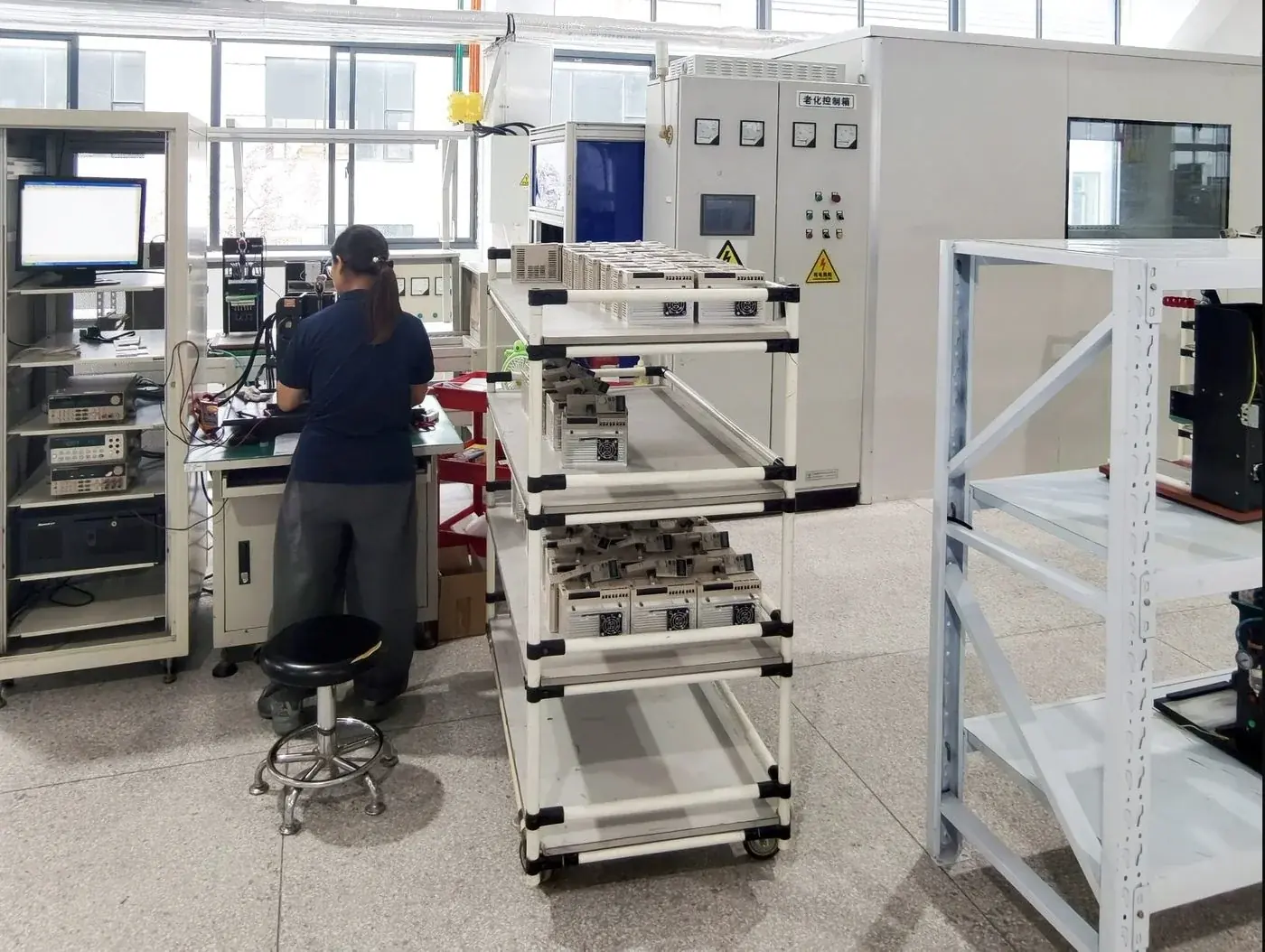 Industry insightPublished: How to Size a VFD for Centrifugal Pumps (Step-by-Step)Pump affinity laws, the correct current margin, and a commissioning checklist — a practical guide to sizing a variable frequency drive for centrifugal pumps so you avoid oversizing the drive or tripping on start.
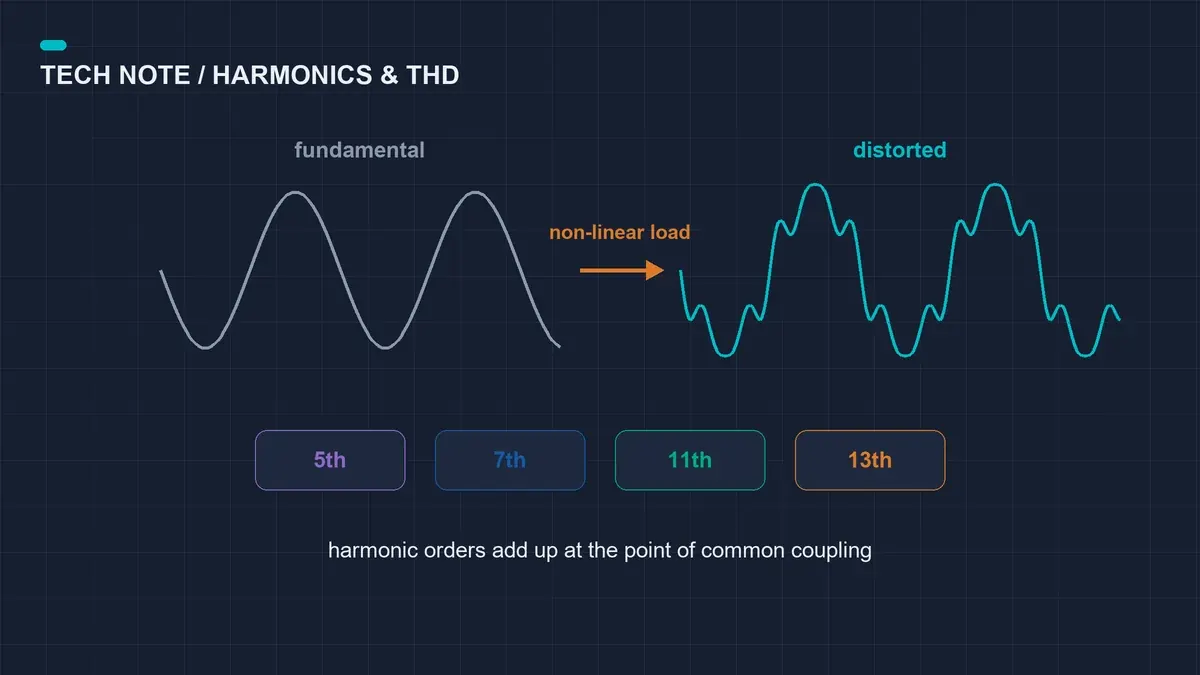 Industry insightPublished: VFD Harmonics and THD: What They Are and How to Reduce ThemVariable frequency drives are non-linear loads: they draw current in pulses and send harmonics back into the supply. This note explains which THD figure actually matters, where it must be measured, and how DC reactors, line reactors and 12-pulse rectifiers differ in cost and effect.
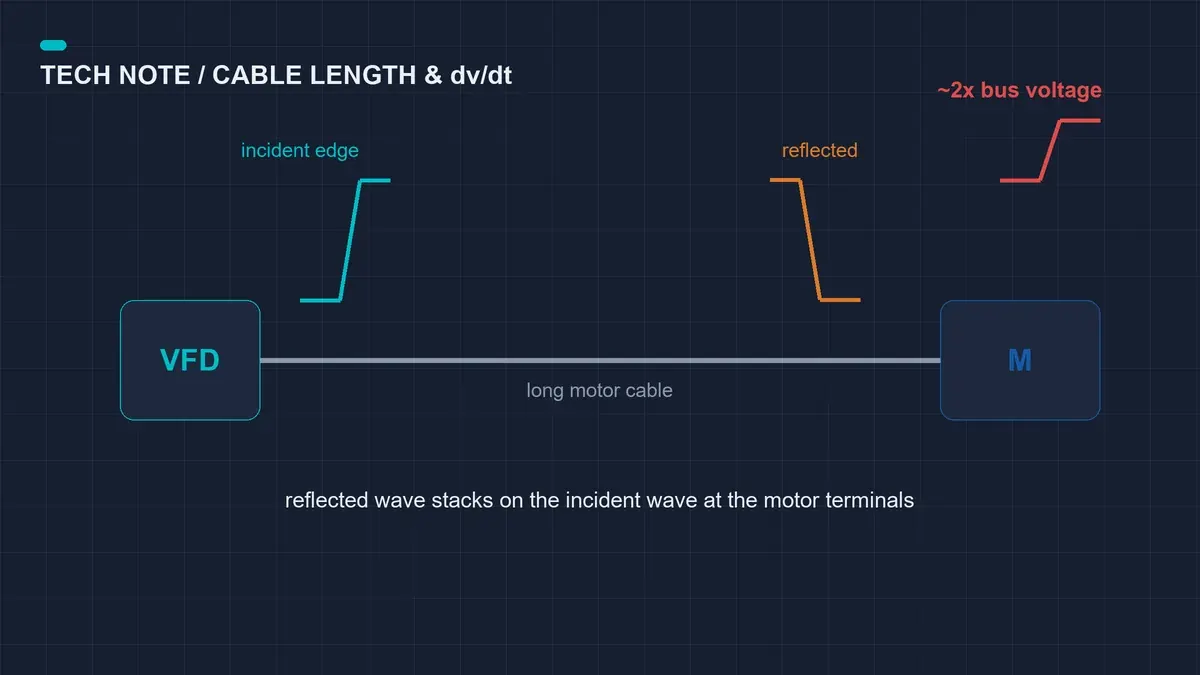 Industry insightPublished: Motor Cable Length and VFDs: When You Need a dv/dt or Sine FilterLong cable runs between a drive and its motor create reflected-wave overvoltages that attack winding insulation. Cable length, switching frequency and motor insulation class together decide whether you need a dv/dt filter, a sine filter — or nothing at all.
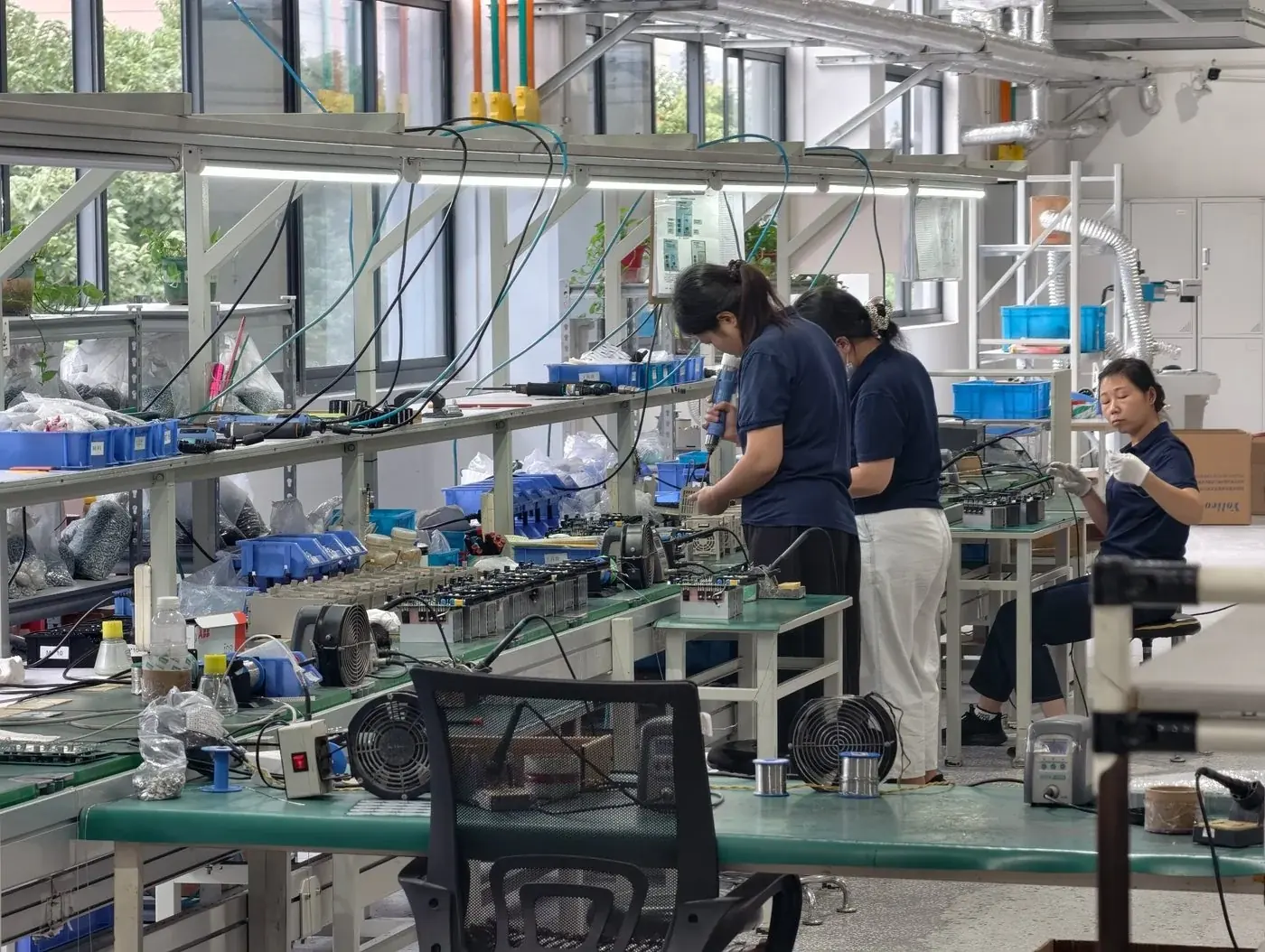 Industry insightPublished: VFD vs Soft Starter: When to Choose EachA plain-language comparison of variable frequency drives and soft starters: where each pays off, first-cost vs lifetime energy, and the three questions that decide the right choice for your motor.
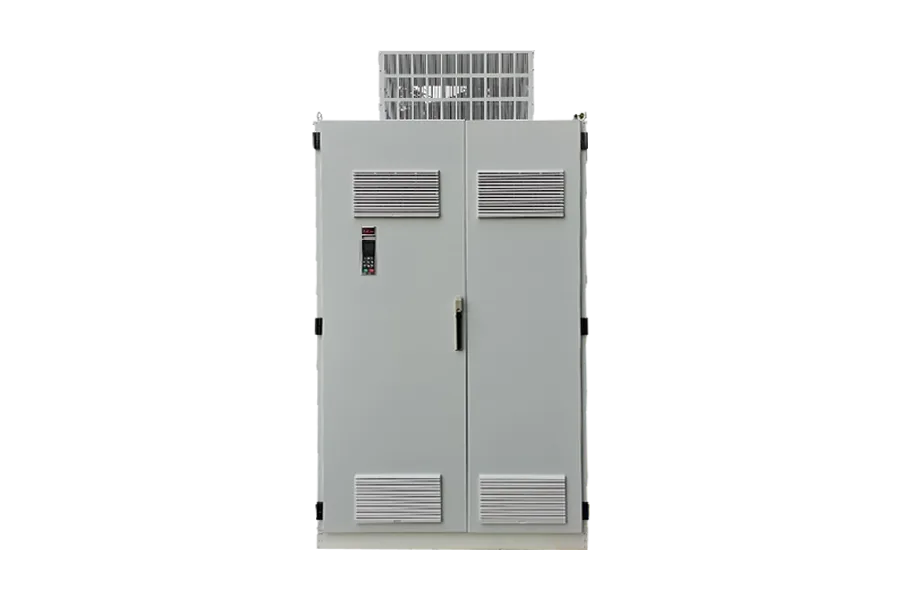 Industry insightPublished: Regenerative Braking: Brake Resistor or Regenerative Front End?When a motor brakes a high-inertia load it pushes energy back into the DC bus. A brake resistor burns that energy as heat; a regenerative front end returns it to the grid. The right answer depends on duty cycle, panel heat and whether you pay for the energy twice.
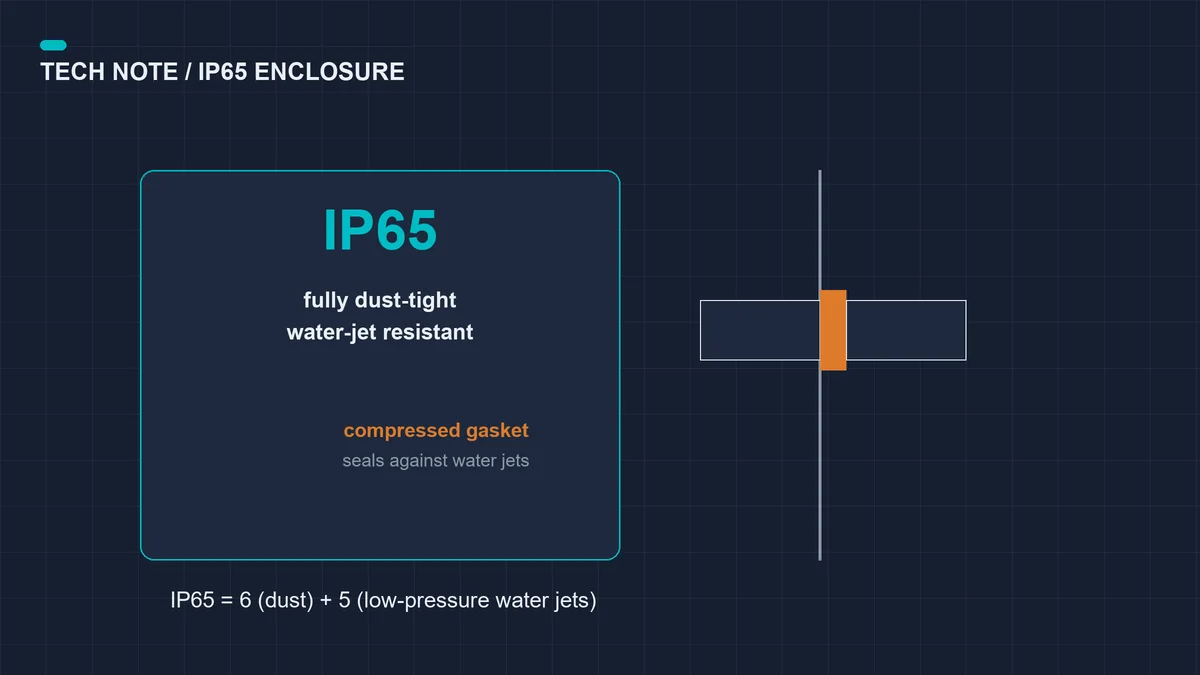 Industry insightPublished: IP21, IP54 or IP65: Choosing the Right VFD EnclosureThe IP rating decides where a drive can live and how it must be cooled. This note maps IP21, IP54 and IP65 drives to real plant conditions and explains why a sealed drive usually needs derating instead of a bigger fan.